

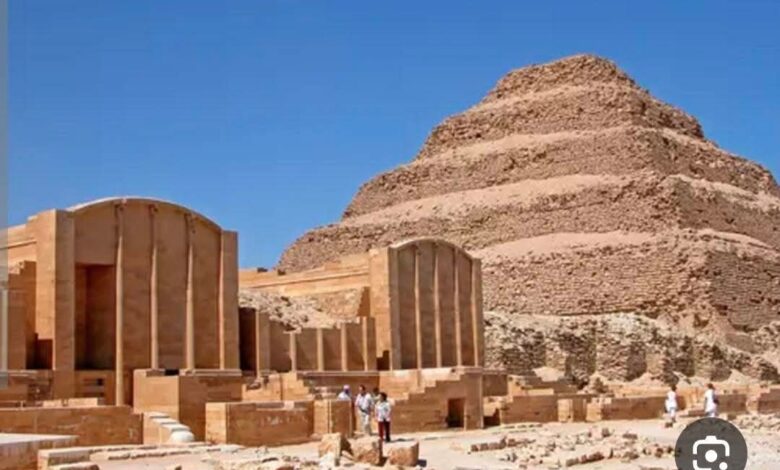
سر (الهرم المدرج)الا عجاز الهندسي
حلمي القصاص
هرم زوسر المدرج (ويُعرف أيضاً بهرم سقارة) هو أول بناء هرمي وأقدم هيكل حجري ضخم في تاريخ البشرية.
بُني في القرن السابع والعشرين قبل الميلاد (حوالي عام 2650 ق.م) خلال عهد الأسرة الثالثة ليكون مقبرة للملك زوسر،
وصممه وزيره والمهندس العبقري “إمحوتب.هرم زوسر المدرج: هو أول صرح علي شكل هرم في مصر القديمة.
منطقة سقارة الأثرية بالجيزة.
. وقد تم بناؤه في الأسرة الثالثة ليكون مقبرة للملك زوسر،
وهو أول ملك معروف للأسرة الثالثة .
المهندس المعماري العبقري إمحوتب هو العقل المدبر وراء تصميم وبناء الهرم.
يُعتبر إمحوتب أول مهندس وطبيب معروف في التاريخ،
وقد عظمه ورفعوا قدره المصريون القدماء إلى مرتبة مثل الاله بعد ذلك.
وقد صمم الهرم ليظهر التمجيد و العظمة التي يحظي بها الملك زوسر ومكانته الإلهية.
وقد صمم الهرم بشكل يختلف عن الأهرامات التقليدية بكونه مكونًا من 6 مصاطب متدرجة،
وتتناقص حجمها تدريجيًا نحو القمة.
و يبلغ ارتفاعه حوالي 62 مترًا،
مما يجعله أول هيكل حجري ضخم في العالم.
وقد بُني من الحجر الجيري،
.وهو أول استخدام واسع النطاق لهذا النوع من الاحجار .
وقد شيد الهرم ليكون مقبرة ملكية للملك زوسر وتخليده في الحياة الآخرة.
ويعتبر هذا التصميم تطورًا من المقابر المستطيلة (المصاطب) إلى الأهرامات،
مما يُعتبر نقلة معمارية مميزة في تاريخ الحضارة المصرية القديمة.
ويوجد حول الهرم مجمع جنائزي ضخم .
ويضم
ساحة احتفالات كانت تستخدم في الطقوس الدينية.
ومعبد جنائزي لتقديم القرابين.
ومباني تمثل القصور الملكية.
تم إحاطة المجمع بجدار من الحجر الجيري وبأعمدة مزخرفة
يتميز التصميم بمدى الإبداع في اظهار النواحي الدينية والرمزية.
تم قطع الحجارة بدقة متناهية ،
ورتبت بعناية لضمان الاستقرار لهيكل بهذا الحجم.
يُعد هرم زوسر المدرج هذا دليل على فن تطور العمارة المصرية وللنتقال من استخدام الطوب اللبن إلى الحجر.
يُظهر هذا الهرم عبقرية التخطيط والتنظيم الهندسي .
التي اصبحت بداية التطور خلال بناء الأهرامات اللاحقة مثل أهرامات الجيزة.
وقد أُعيد اكتشاف الهرم في القرن التاسع عشر،
وتم عمل ترميم ومحاولات عديدة لحمايته من التدهور والانهيار .
و بذلت جهود ضخمة للحفاظ علي الهرم حيث انه يعتبر من أهم المعالم الأثرية في االعالم ….
The Secret of the Step Pyramid: An Engineering Marvel
By Helmy El-Qassas
The Step Pyramid of Djoser (also known as the Saqqara Pyramid) is the first pyramid structure and the oldest monumental stone structure in human history. Built in the 27th century BC (around 2650 BC) during the Third Dynasty as a tomb for King Djoser, the Step Pyramid of Djoser was designed by his vizier and brilliant architect Imhotep. It is the first pyramid-shaped structure in ancient Egypt. Located in the Saqqara archaeological area of Giza, it was built during the Third Dynasty as a tomb for King Djoser, the first known king of the Third Dynasty. The brilliant architect Imhotep was the mastermind behind the pyramid’s design and construction. Imhotep is considered the first known engineer and physician in history, and the ancient Egyptians revered him, elevating him to a near-divine status. The pyramid was designed to showcase the glory and grandeur of King Djoser and his divine status. Unlike traditional pyramids, it consists of six stepped platforms that gradually decrease in size towards the top. Reaching a height of approximately 62 meters, it is the first monumental stone structure in ancient Egypt. The world.
It was built of limestone,
marking the first widespread use of this type of stone.
The pyramid was constructed as a royal tomb for King Djoser, immortalizing him in the afterlife.
This design represents an evolution from rectangular tombs (mastaba) to pyramids,
a significant architectural shift in the history of ancient Egyptian civilization.
Around the pyramid is a vast funerary complex.
It includes:
A ceremonial plaza used for religious rituals.
A funerary temple for offerings.
Buildings representing royal palaces.
The complex is enclosed by a limestone wall and ornate columns.
The design is characterized by its creative expression of religious and symbolic aspects.
The stones were cut with meticulous precision and
carefully arranged to ensure the stability of a structure of this size.
This Step Pyramid of Djoser is a testament to the evolution of Egyptian architecture and the transition from mud bricks to stone.
This pyramid demonstrates the genius of planning and engineering,
which became the foundation for the development of later pyramids, such as the pyramids of Giza.
The pyramid was rediscovered in the 19th century,
and numerous restoration efforts and attempts have been made to protect it from deterioration and collapse.
Immense efforts have been made to preserve the pyramid, as it is considered one of the most important archaeological sites in the world.